
Missoula, Montana
A worn tire is not waste. It is oil, carbon, and steel.
Revive Energy has developed a proprietary continuous thermal conversion technology that converts end-of-life tires into valuable products: recycled tire pyrolysis oil, recovered carbon black, recycled steel, and process gas that powers much of the system itself.

THE PROBLEM
Most scrap tires are burned or buried.
250M+
end-of-life tires generated in the United States every year
Source: U.S. Tire Manufacturers Association
33%
of scrap tires go to tire-derived fuel, the largest market, where they are burned for heat
Source: USTMA 2023 End-of-Life Tire Management Report
~1 in 5
still has no end market and is landfilled or stockpiled
Source: USTMA 2023 (79 percent reclaimed)
Even the tires that get used are mostly burned as fuel or ground into low-value crumb. The oil, carbon black, and steel locked inside them are lost. That is the gap Revive Energy closes.
- 33%Burned as tire-derived fuelthe largest single market
- 28%Ground rubbercrumb, mulch, and asphalt
- 18%Other reclaimed marketscivil engineering and export
- 21%No market at alllandfilled or stockpiled
Source: USTMA 2023 End-of-Life Tire Management Report
THE PROCESS
Four steps from tire to resource.
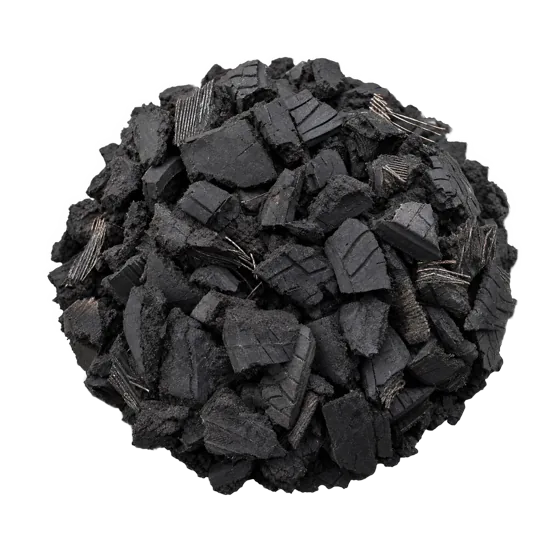
Intake
End-of-life tires arrive whole or shredded. No cleaning or fine sorting required.
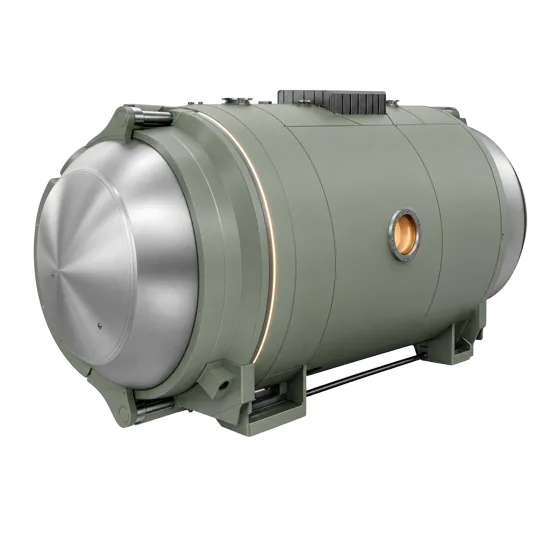
Convert
A continuous, electrically driven reactor heats the rubber in a zero-oxygen chamber, breaking it back into hydrocarbons. Nothing is burned.
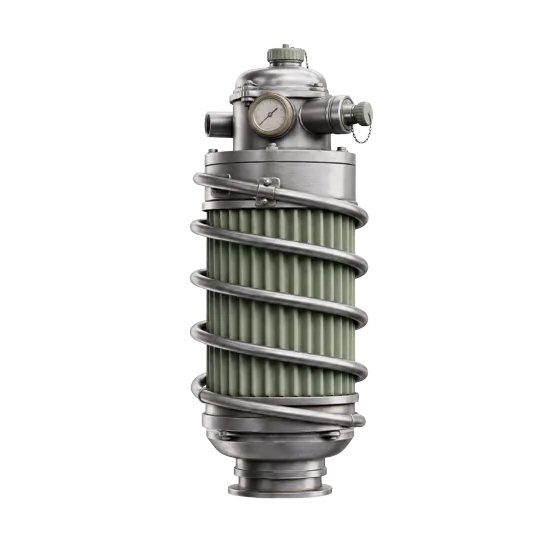
Recover
The output separates into pyrolysis oil, recovered carbon black, and clean steel.
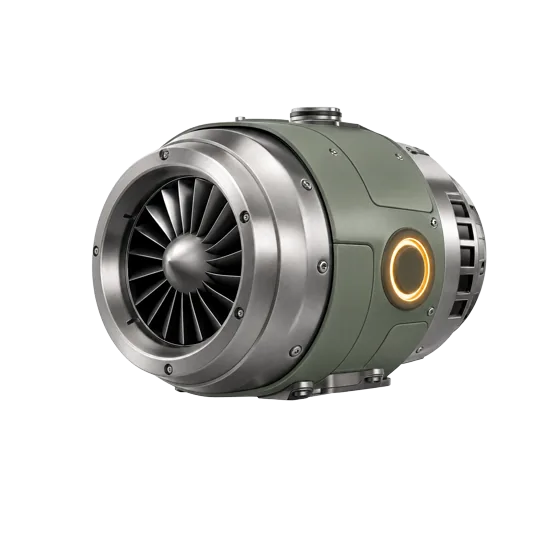
Reuse
Non-condensable process gas is captured and fed back to power much of the system itself.
OUTPUTS
Everything leaves as a resource.
Tire pyrolysis oil
A recovered fuel and chemical feedstock, supplied to the existing market to displace newly extracted and imported oil.
Recovered carbon black
Reused to reinforce new rubber and as a manufacturing input, recovered instead of produced from fossil feedstock.
Recycled steel
The belt and bead wire, cleaned and baled for steel mills.
Process gas
Non-condensable gas captured on site and used to power much of the plant itself.
THE DIFFERENCE
This is recovery, not incineration.
Continuous, not batch.
Most pyrolysis plants work in batches, loading, heating, and emptying one charge at a time. The Revive reactor runs continuously and is electrically driven, so tires feed in and products come out without stopping to reheat.
Recovered, not burned.
The largest tire market today burns rubber for heat. Our zero-oxygen reactor never lets the tires ignite, so the oil, carbon black, and steel come back as products instead of smoke.
Powers much of itself.
The process gas that comes off the reactor is captured on site and fed back to power much of the plant itself, so less energy has to come from anywhere else.
THE ROADMAP
From pilot to first commercial plant.
After successfully demonstrating the technology at pilot scale, we are focused on building our Mini-Commercial Plant (MCP), the bridge between demonstration and full-scale deployment.
WHAT IS NEXT
Tires are just the beginning.
Tires are our initial feedstock because they provide a compelling commercial opportunity and solve a significant waste problem, but they are really just the beginning. Our long-term vision is to deploy this same platform to process difficult-to-recycle plastics. The United States generates tens of millions of tons of plastic waste every year, yet only a small percentage is recycled into new products. We believe advanced thermal conversion technologies will become an essential part of rebuilding a domestic circular economy, recovering valuable hydrocarbons that can be reused by American manufacturers instead of being buried in landfills or shipped overseas.
Who we are
Revive Energy was founded by Montana outdoorsmen and engineers who were done watching scrap tires pile up in the places they live and work. The equipment is custom-fabricated in Missoula, and the standards are personal.

Your scrap tire problem is our feedstock.
Tire haulers, retreaders, municipalities, and fleets: if you have an end-of-life tire stream, we want to talk.
Start a partnership